Chatrang: chess under the Sasanians
How the game came from India to Iran, who Bozorgmehr was, and why nard is the answer to chess.
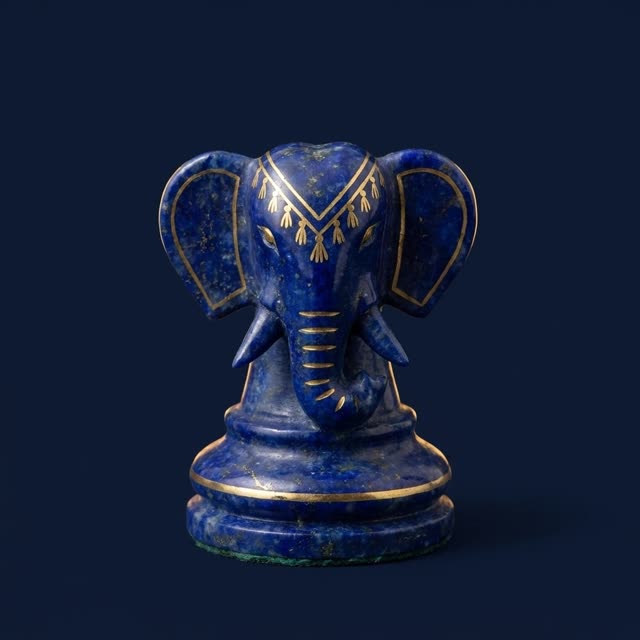
The earliest Persian work on chess is the Middle Persian “Explanation of chatrang and the arrangement of new-ardashir”, thought to have been written at the end of the Sasanian age, in the sixth or seventh century. In it an envoy of an Indian king comes to Shah Khosrow I Anushirvan (531–579) with gifts, among them chatrang, sixteen pieces of emerald and sixteen of ruby, and a challenge: solve the game or pay tribute. The wise Bozorgmehr works out the rules in a day and in reply invents new-ardashir, “noble Ardashir”, a dice game later called nard, and takes it to India, where nobody can solve it.
It is a legend, but it says what matters: the Persians remembered that chess came from India, and from the start they kept chess and nard side by side as a pair, the game of reason and the game of fortune. Ferdowsi retold the embassy in the Shahnameh around 1010, and Persian painters drew “Bozorgmehr showing chatrang to Khosrow” for centuries.
The pieces
The Middle Persian names are still recognisable: shah, farzin (counsellor), pil (elephant), asp (horse), rukh and payadag (foot soldier). The Arabs, conquering Iran in the seventh century, took the game with its names, shah, firzan, fil, faras, rukh, baidaq, and the word shatranj from chatrang. Our “checkmate” descends from the Persian shah mat.
The “Book of the Deeds of Ardashir”, a tale of the first Sasanian king, praises him as a master of chatrang. It is no evidence for the third century, the tale is full of legend, but a sure sign that by the time it was written the game was common in Iran. The seven ivory pieces from Afrasiab, found in Samarkand, show that in the seventh and eighth centuries it was played on this side of the Amu Darya too.